 Believe it or not, DomainGang.com was right in its recap article on Monday. In separate posts, Brian discussed how domain investors should find end users for their domain sales, and I said that domain investors should continue selling to other domain investors. The reality is that both recommendations can work for different people, but most people do a little of both rather than one extreme or the other.
As the old cliche tells you, there are many ways to skin a cat.
People come into the domain industry with a variety of backgrounds, careers, financial situations, and family situations, and each has his or her own needs to be successful.
Some people own the best possible .com domain names, and if they make one sale per year, they earn more than 99% of the rest of us. They can wait for an end user to approach them, and they won’t regret turning down a 7 figure offer because they don’t need the money and know it’s worth more.
Some are domain investors purely as a hobby, and if they earn more than they spend, the year is a success for them. They can email potential end user buyers and/or wait for end users to approach them. If they sell and make a good profit, that’s great. If they don’t sell, they can pay the $8 renewal fee each year and wait until an offer comes their way. As long as they are in the black at year end after paying renewal fees, all is well.
Some are full time domain deal makers. Many constantly buy and sell domain names and need to make quick (or big) sales to stay liquid. They churn and burn through domain names and use the money to buy other names and to grow their business. They try to hit home runs with their sales, but are happy to make a good profit on a quick sale, while moving on to the next transaction.
Some people own strong portfolios (generics or TM names with traffic) and make a living with PPC and affiliate revenue. They sell when they receive an offer that’s great, but they don’t necessarily look to sell. They are earning enough with their domain names as is, and they don’t look for buyers because buyers find them. They can be selective when they sell.
Many people own domain names that they develop and build out. They aren’t necessarily looking to sell their websites, but if the right offer comes around, they will consider it. Some of these people seek out potential end user buyers and others are content waiting until the right deal comes around.
Most domain investors I know use a combination of strategies to generate revenue. They sell to end users when they receive a good offer, they email potential end users (mindful of UDRP/legal issues), they sell to domain investors in private and on forums, or they hardly ever sell and generate revenue from their domain names.
No matter what type of domain investor you are, if your strategy works and you enjoy what you do, nobody can tell you that your method is wrong. One of the amusing things I find is when someone will try to argue that another guy has it all wrong, when the other guy makes a lot of money year after year. The domain business is like any other business: there are many ways to be successful, but the ultimate bottom line is your bottom line.
Photo credit: http://www.flickr.com/photos/poenaru/ / CC BY-SA 2.0


 The domain name Rihanna.com was offered for sale on DNForum back in June of 2009. According to the updated thread, the domain name was later sold for an undisclosed amount of money. As you are probably aware, Rihanna happens to be the name of a popular musician, whose full name is Robyn Rihanna Fenty.
 This seems like an easy enough question to handle on a Wednesday afternoon: What is domain investing? When I think about that question, the answer doesn’t appear to be as clear cut as it would seem.
 I know this is a fairly
 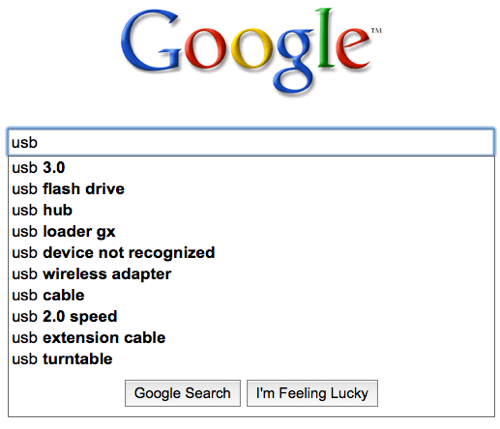 Before acquiring or hand registering a domain name, I usually do some research on the term in Google. I want to see how many results there are, how many advertisers there are, and whether companies use the term in domain names associated with the product.
 Brian from TeenDomainer.com has a post today that brought up some good points about