

Legal Review Should be Done Before Agreeing to a Deal

A negotiation can be exhilarating or frustrating depending on many factors. When a domain name deal is finally reached, it should mark the end of one stage and begin the contract and escrow discussions. It should not begin the process of a legal review for the buyer.

I don’t know about you, but I have dealt with prospective buyers backing out of a couple of  deals due to their findings from a legal review. The buyers’ attorneys have either found that a trademark would be tough to get for  domain name (and/or brand) or there are existing trademarks would put an application in peril. Whatever the case may be, it is very frustrating to agree to a deal only to later learn that the prospective buyer decided to back out because their legal team has put the kibosh on the deal.

From my perspective, domain name buyers should do a cursory legal review prior to inquiring about domain names. This doesn’t have to be an extensive or exhaustive review, but it should be enough to know whether a domain name will pose legal issues for them for whatever reason. As the negotiation gets more serious and/or the buyer is able determine that there is a strong likelihood of closing a deal, they should have their attorney do whatever  full legal review is necessary to ensure an easy closing should a deal be reached. This should either be done prior to reaching a deal, or they should let the seller know a deal is contingent upon approval from their lawyer.

A legal review on a domain name should be performed before the parties reach a deal. Once a deal has been

See What The Prior Price Was Before Buying

I was backordering some domain names at NameJet when I decided to see what brought them to the auction block. Specifically, I wanted to see if the domain names were expiring or if they were being offered by a private seller. After doing a Whois search on DomainTools, I noticed that they had been owned by a large portfolio owned because of the screenshot shown on DomainTools.

There were two important pieces of  information that I could see to help guide me on my backorder and my bidding strategy:

  • I could see the domain names from the prior had been listed for sale for a number of years
  • I could see the asking price and historical asking prices using the  Screenshots.com Screenshot History Tool

This was critical information for me. If

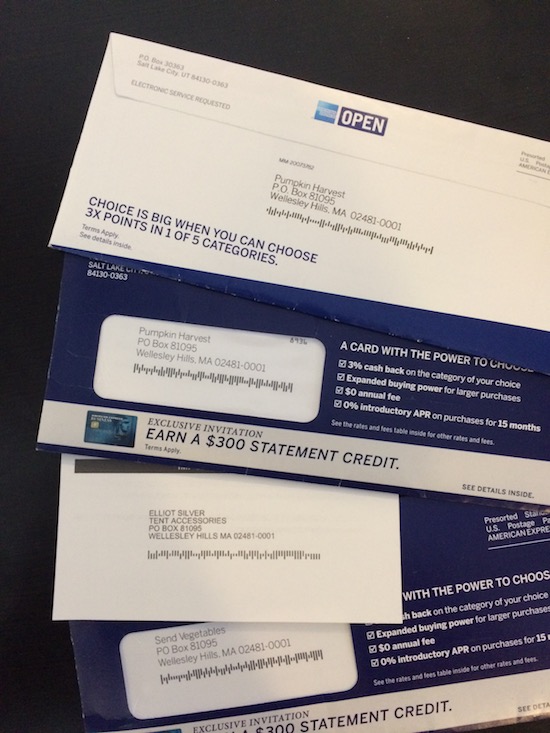
My Domains Get a Ton of Junk Mail

It seems like companies harvest the contact information of newly registered domain names and bombard them with emails, text messages, and phone calls. These are a nuisance. I don’t know about you, but I also seem to get quite a bit of junk mail directed to my domain names.

Although I always throw out this junk mail before leaving the post office, I wanted to show you a very small batch of letters I received during the previous few days from when I last checked the mail box:

Junk Mail

As you can see, they aren’t exactly

What Domain Names Are You Buying Now?

A while ago, I wrote a blog post asking people what types of domain names they are currently buying. I was asked by a reader to post the same type of article, and I am happy to allow people to share the types of domain names they are buying at the moment.

For me, I am still privately buying one word English .com domain names whenever I can find a decent deal. I am only buying .com domain names, and I am only buying real words that could be used by many different type of companies (ie they have generic meaning). I am also paying reasonable prices as an investor, so it is pointless to send overpriced names. In general, the domain names I am buying were created before 2000 and have quite a few extensions registered because there is great demand for the keyword.

I invite you to share the types of domain names you are buying in the comment section. If you want people to send you their names, you can leave a way to contact you but that is certainly up to you. I ask people not to post their domain names for sale in the comment section.

If you have an exceptional one word English .com domain name, created before 2000, that has at least 5 other extensions registered in that keyword, and is a generic keyword, you are welcome to submit it for my review via my company’s website. You can see some of my company’s domain names and domain sales to get an idea of what I am buying and selling. I value my time and yours, so please don’t send names that don’t meet the requirements!

Using UDRPSearch.com to Assess Risk

UDRPSearch.comI am an active user of UDRPSearch.com. As someone who writes about the business of domain name investing, I think it is important to stay aware of new and ongoing UDRP proceedings. I also think UDRPSearch.com is a good way for me to assess some risk when acquiring a domain name.

The percentage of UDRP filings compared to domain names is miniscule. Although a bright light is usually cast on UDRP proceedings that involve generic and/or otherwise valuable domain names, there are probably proceedings that go undetected or were filed before domain industry publications existed. Although I know of many UDRP filings, there are likely hundreds of UDRP proceedings filed against valuable domain names I don’t know of off the top of my head.

When buying a domain name, it is important to know

When in Doubt, Call Former Owner

Performing due diligence is a critical step in buying a domain name. I never want to purchase a domain name that turns out to be stolen from a registrant, so it is important to me to do as much as I can to ensure a registrant is the rightful owner of a domain name.

I use a variety of tools to verify proper ownership, and the main tool I use is DomainTools’ Whois History Tool. If there is ever a question in my mind about the ownership of a domain name I am interested in buying, I will try to contact a former owner to verify that the domain name was sold to the current owner.

Importantly, it is critical to ensure the correct owner is called. If the entity that owned the domain name sold it to someone else and the domain name was stolen from that person, the phone verification of a previous domain owner doesn’t help. This is why I need to make sure I call the right person to not get a false sense of security.

When I make a phone call to a former domain registrant,