Afternic Should Offer 2FA

4

Domain name theft is a big issue for domain investors. I strongly recommend that investors and other domain registrants enable 2 factor authentication (2FA) on their domain registrar accounts to help secure them. Most domain registrars offer at least one form of 2FA, and several offer multiple forms of 2FA, including text message, authentication app, key fob, Yubikey, among others.

How Would You Advise Someone Close About Domain Names?

9

Many people struggle to find a domain name that not only resonates with their business but is also affordable for them to purchase. It can be a challenge to buy a domain name that will not only last the test of time but won’t break the bank. I am occasionally asked by friends and family to assist with their domain name needs, and I thought I would open the floor to see what readers think. I will share some of my thinking, too.

Watch Out for “Generic” Sounding Trademarks

Every day, I see quite a few domain names in auction with bids that could have trademark issues. Some of these trademarks are super obvious, like Microsoft or Volvo, but others are not as clear. Olympics, for example, is a highly defended trademark, and there are a number of UDRP filings for Olympic-related domain names.

Over the weekend, Peter Askew shared some advice about staying away from generic sounding terms that are actually trademarks. His observations were based on a domain name that is listed on GoDaddy Auctions and will be sold in about one week:

Network Solutions Should Ditch Registrar-Transfers.com

15

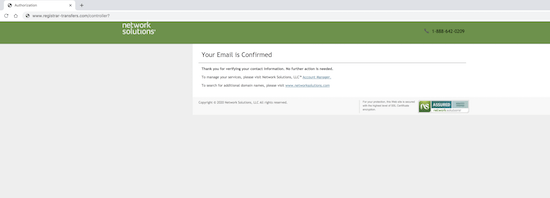
Network Solutions uses an unbranded domain name for at least a few important confirmation functions. When I need to confirm my email address at Network Solutions or approve a transfer away from Network Solutions, I am directed to different pages on the Registrar-Transfers.com website. In my opinion, Network Solutions should shift the functionality to its own NetworkSolutions.com website because customers are more familiar and comfortable with that domain name and using an unbranded domain name isn’t a good idea.

Prospect Under No Obligation to Reply

Yesterday, I received an email from someone looking to sell a domain name that I don’t believe has value. Put another way, I wouldn’t hand register the domain name with your credit card, let alone pay someone a premium to buy it. I’ve been pretty busy lately, so I did not reply to the email. This morning, I received a sassy message from the same person telling me they expected to receive an answer from me and was upset that I did not reply.

A prospective buyer is under no obligation to respond to an unsolicited domain name sales email. Just like I am not obligated to reply to a spam phone call or a marketing letter in the mail, I do not need to reply to an unsolicited domain name sales email. Even when a prospective buyer requests a price, they are under no obligation to follow up if they do not wish to do so. It seems silly to have to write this, but sometimes something that seems like common sense to me may not be common sense to everyone.


Vivid Should Embrace Its .Money

This morning, TechCrunch published an article about a banking and financial services startup called Vivid, a self-described “unique mobile banking app.” While the startup’s brand name is Vivid, it uses the Vivid.Money domain name for its website. There’s nothing really wrong with using a .Money domain name, but in my opinion, Vivid should add “Money” to its branding, and either be known as Vivid Money or Vivid.Money. I think brands operating on new extensions should embrace the extension, and it is especially important in the case of this startup called Vivid.